The group
Our history
A century of Scouting in Otley
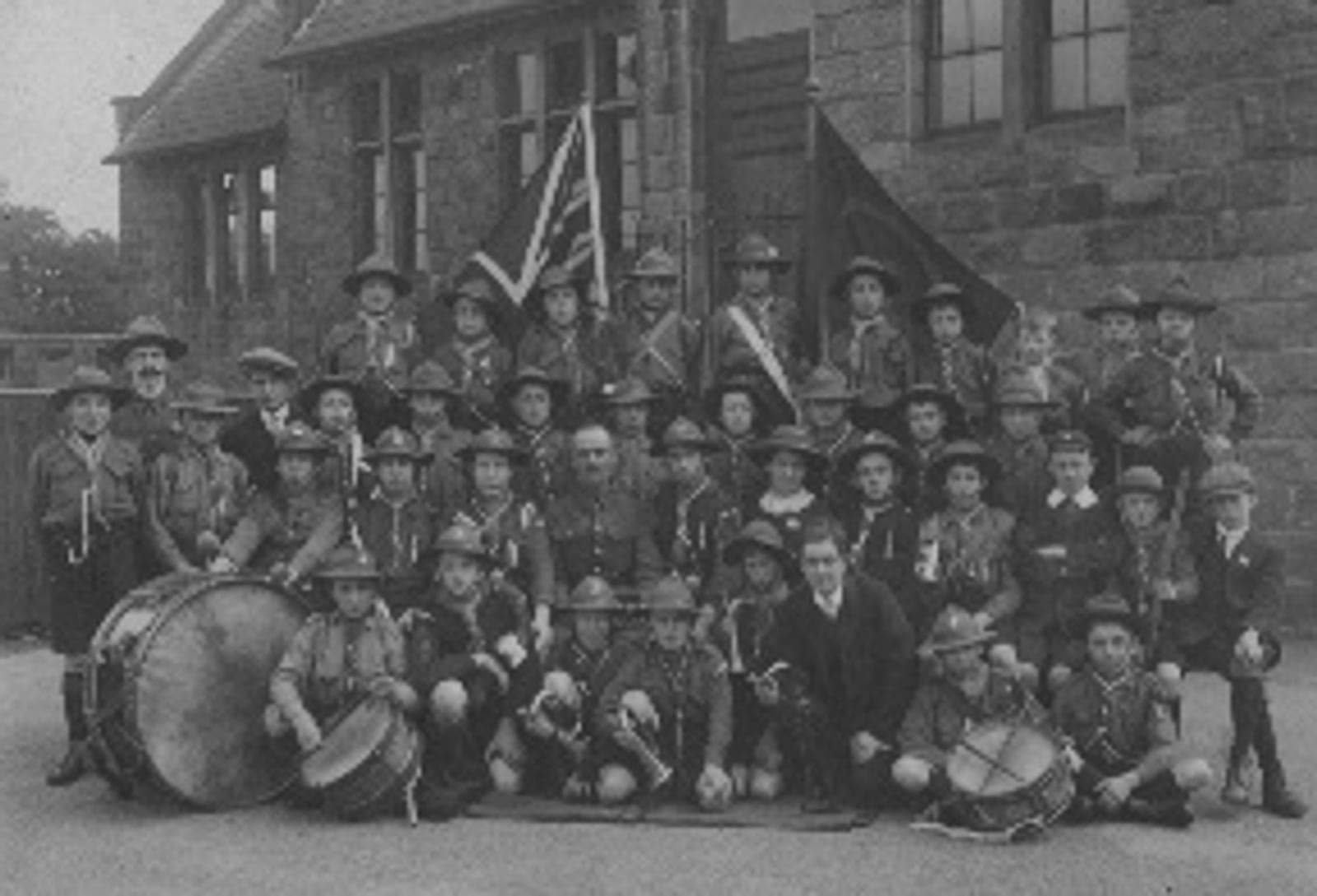
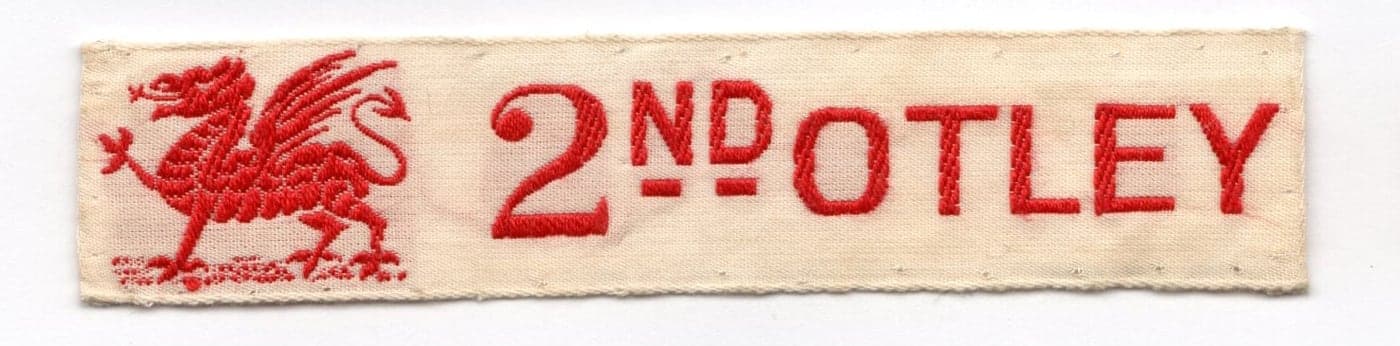
2nd Otley is one of the oldest Scout groups in the country. We were formed in Otley in 1910 and officially registered in 1913 — and we have been offering young people adventure, friendship and "skills for life" ever since. The griffin on our neckerchief today is taken from the family crest of our founder and links us straight back to those first years.
1907–1913
In the beginning
The Scout movement was founded by Robert Baden-Powell, who wanted to teach young people initiative, good citizenship, fitness and a sense of adventure. In 1907 he took twenty boys to camp on Brownsea Island, and when Scouting for Boys appeared in 1908 patrols of boys began forming up and down the country.
In Otley, by 1909, three separate patrols had formed, and in 1910 a second company of boys was started by the Rev. Granville Biggs of the Parish Church. Originally the "Church Lads' Brigade", it soon became a Scout Troop — the 2nd Otley — with Owen Holmes as assistant. It is the Biggs family crest that gives us the griffin we still wear today.
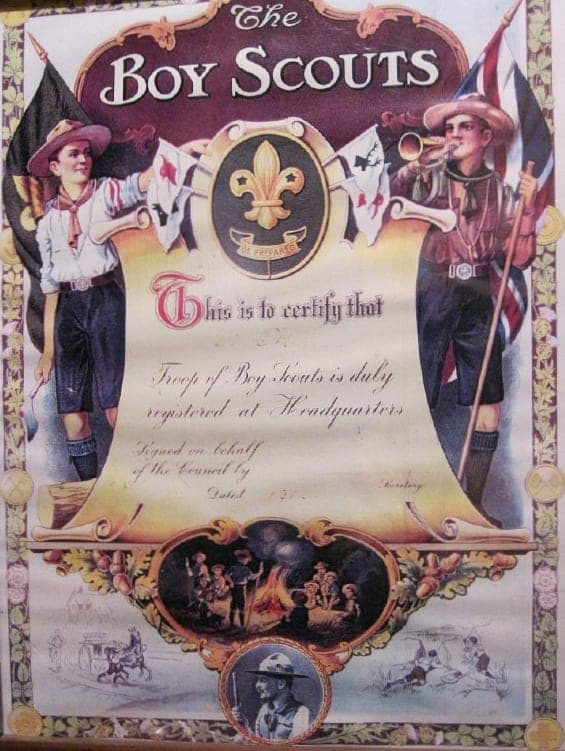
In 1913 the group was officially registered by The Boy Scouts Association as number 2590. The elaborate certificate, which the group still owns, is thought to be one of only four early certificates of its kind to survive anywhere in the movement.
1914–1918
The First World War
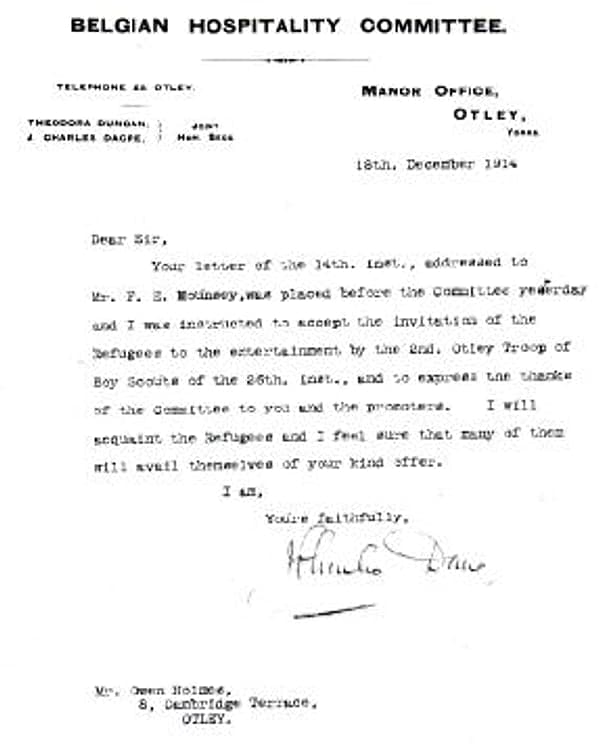
When war came, the 2nd Otley was kept going by Miss Connie Holmes, sister of Owen, who was away on war service. A number of the group's members lost their lives in the conflict; they are remembered below. At Christmas 1914 the Scouts entertained Belgian refugees who had come to Otley, and a surviving letter from the "Belgian Hospitality Committee" thanks them warmly.
At the end of the war the group looked to the future: a Wolf Cub pack was formed in 1918, and a Rover Crew for young adults followed in 1919.
1920s–1930s
Between the wars
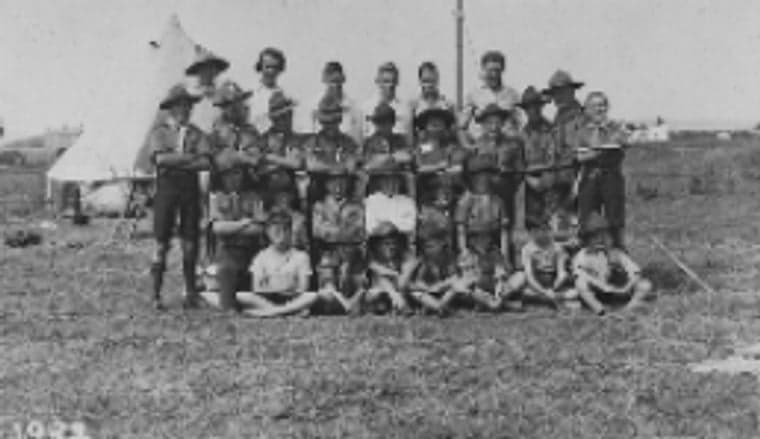
Miss Millie Dobson, who would give the group decades of service, joined in 1931 as Assistant Cub Master. Through the 1920s and 1930s there were regular camps and expeditions, often reached by train from Otley station — when Morecambe was the destination the return fare was 2s 3d.
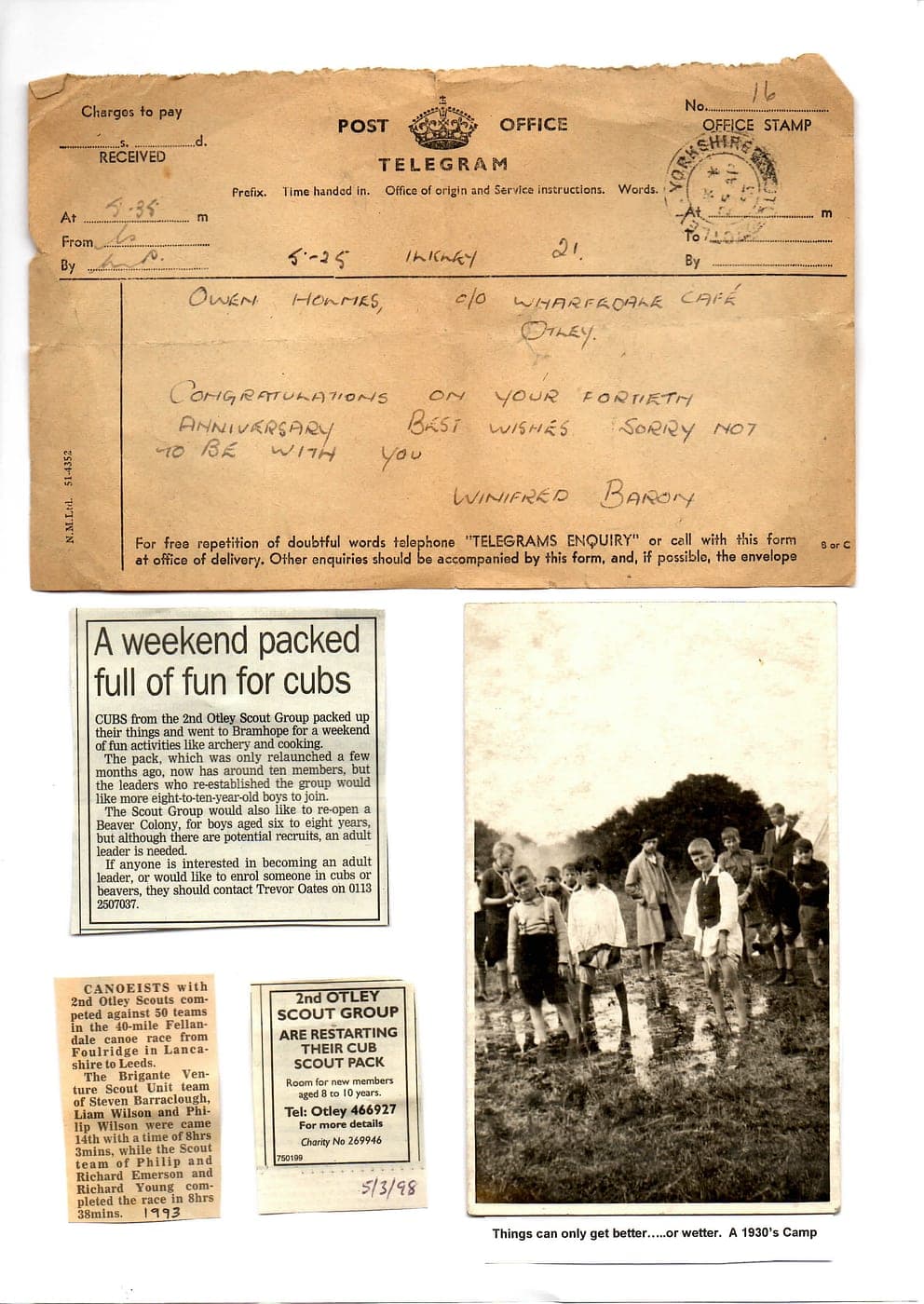
In 1935 Cubs and Scouts travelled to Pontefract to meet Baden-Powell himself, on a day when it rained from start to finish. The group also arranged Christmas treats for the poorer children of the town.
1939–1948
The Second World War and beyond
The 1939–45 war again saw the group's senior members leave for active service. One of them, Assistant Scoutmaster William Arthur Bunting, sadly lost his life. During the war the 2nd Otley and the Parish Troop shared the old hut in Burras Lane, with Patrol Leaders keeping things running.
Victory was given a fittingly Scouting send-off: all the Scouts of the town carried the Sam Ives torch up the Chevin to light the beacon fire. With the post-war revival, the Rovers set about building a "Den" in Leeds Road, and Senior Scouts — the forerunners of today's Explorers — began nationally in 1948.
1954–1976
A home of our own: Craven Street
In 1954 Owen Holmes received the Silver Acorn, Scouting's highest award. Millie Dobson retired in 1966, and Owen Holmes the following year, after some sixty years' service. After his death in 1971 the group presented a memorial flag to the Wharfedale District — it is still carried at the front of the St George's Day parade.
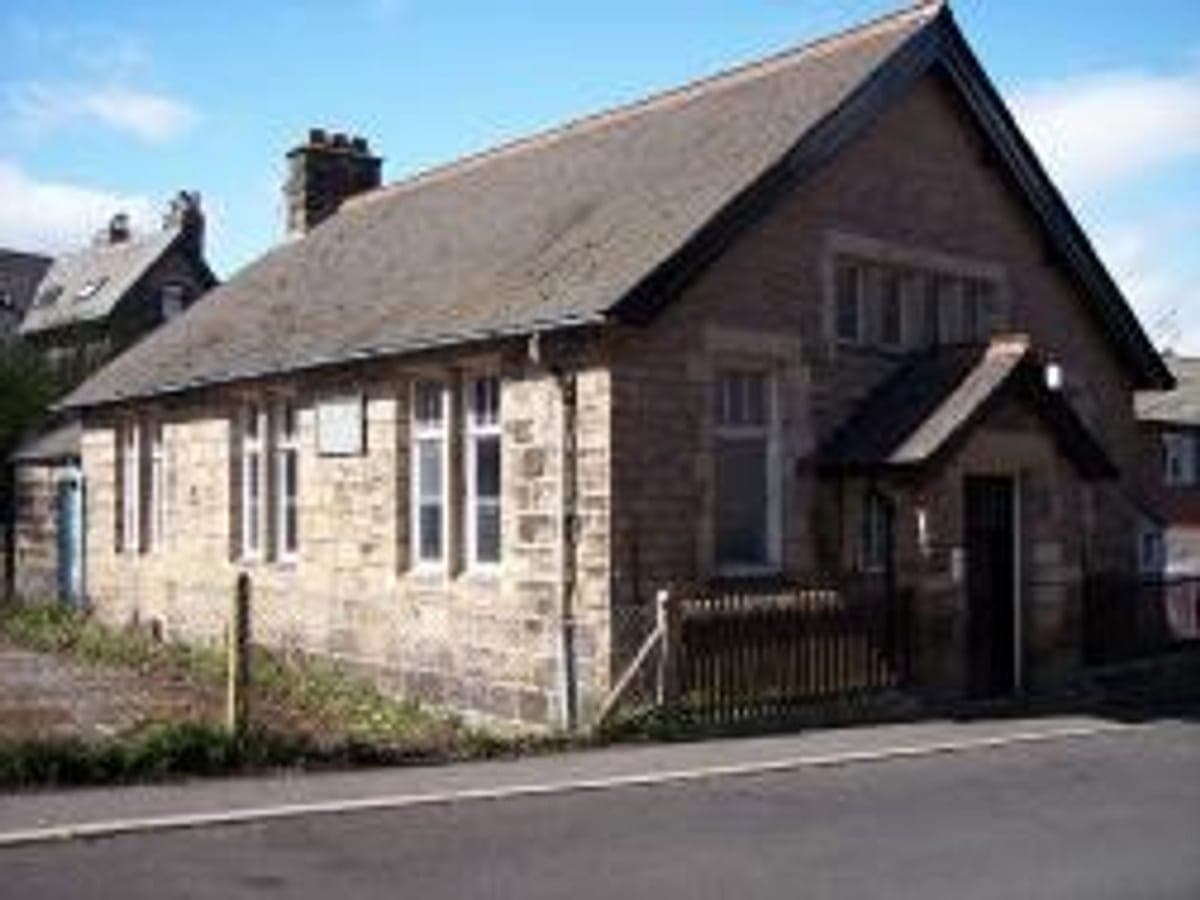
By the 1970s a new home was needed, and in July 1975 the former Mission Hall in Craven Street was leased from Leeds City Council. After restoration by the group's own members, the new headquarters was opened on 11th December 1976 by Miss Millie Dobson, with Richard Good (twice Mayor of Otley) as Group Scout Leader. Then, as now, 2nd Otley was an "Open" group — not tied to any church or other organisation.
1986–2000s
Growing the group
A Beaver Colony for younger children opened in 1986, run by Sue Sutcliffe, and the group's 80th anniversary was marked with a camp at Creskeld Hall in 1993. After a run of retirements the group hit a leaner spell — the Cub Pack even closed for a time for want of leaders — but appeals in the local press eventually bore fruit, and by the 90th anniversary numbers were rising again. Girls were admitted, which many would call one of the best changes of all.
2011–2013
The Craven Street extension
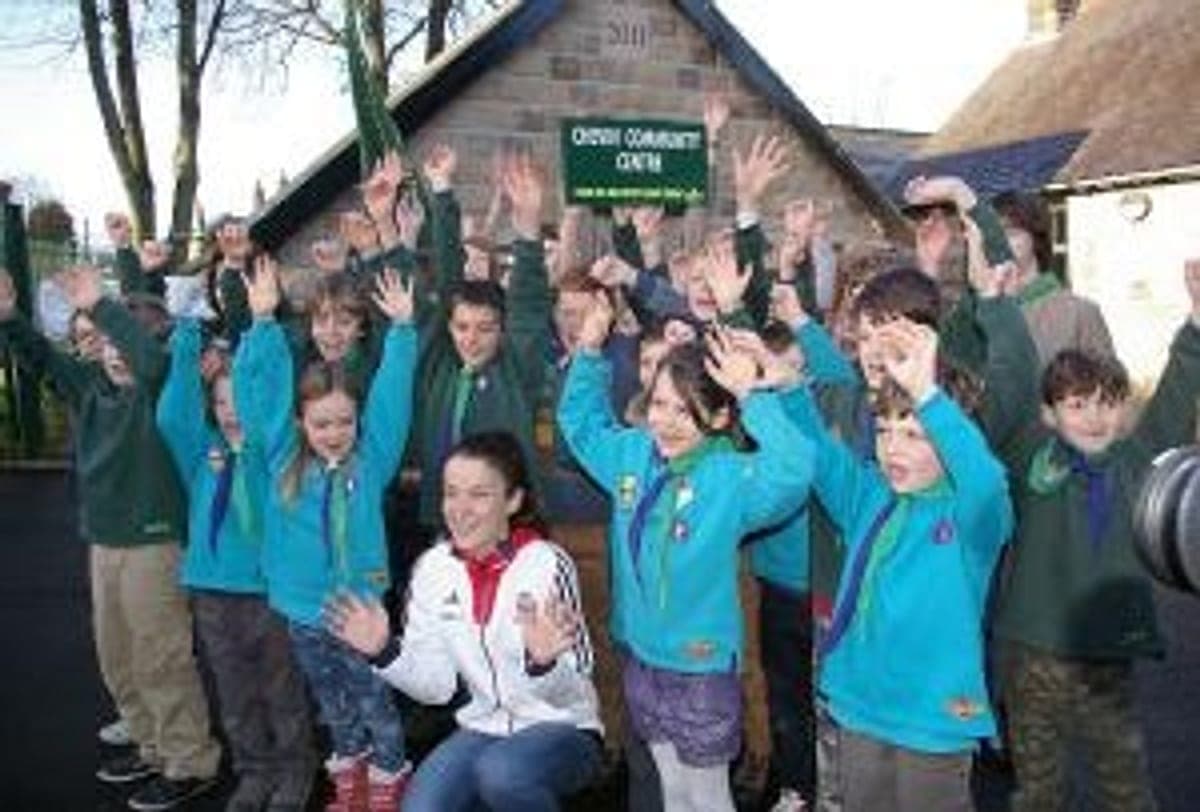
By the late 1990s the limits of the headquarters were plain: a single main hall, little storage and — as people liked to point out — outside toilets. After an intense fundraising effort the foundation stone for a major extension was unveiled in May 2011, with around £150,000 raised. The enlarged building was named the Chevin Community Centre, giving the group room for Beavers, Cubs, Scouts and Explorers and providing space the wider community can hire too.
2013
Our centenary year
To mark our 100th year the whole group took on the 100 Peaks Challenge — to climb the 100 highest peaks in England, one for each year of our history. The centrepiece was an ascent of Ingleborough in July when 45 Beavers, Cubs, Scouts, Explorers, leaders and parents reached the summit together. Between everyone who took part, the group climbed the equivalent of two-and-a-half times the height of Everest.
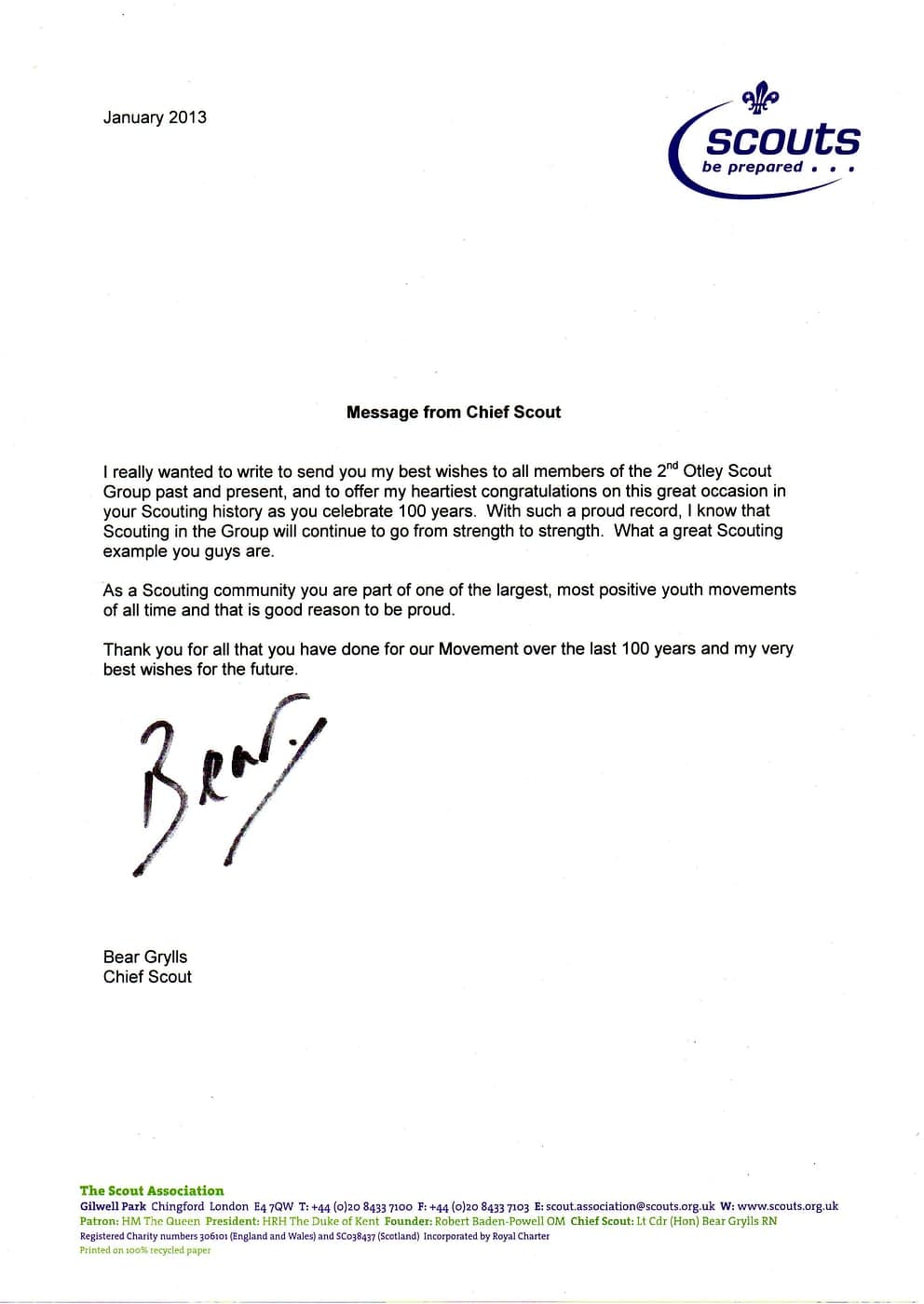
There were celebrations closer to home too — the group hosted the district St George's Day event behind a jazz band, and joined Otley Carnival in historic uniforms loaned by the County Archive. The year even brought a letter of congratulation from Chief Scout Bear Grylls, and closed in fine style when Otley's Olympic silver medallist Lizzie Armitstead opened the extended headquarters that December.
2015–2016
Going from strength to strength
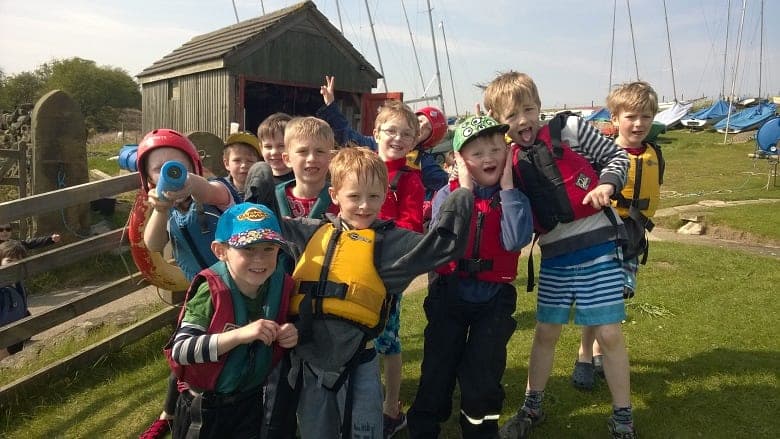
The group has kept growing. By 2015 all sections were busy, with a long waiting list for Beavers, and in 2016 a second Beaver Colony opened on Monday nights and quickly grew to 20 members. To celebrate the centenaries of Cubs and Beavers, both colonies joined the Cub Pack for a camp at Sconce that May — with sailing at Reva Scout Sailing Centre, where at one point 64 members were out on the water at once.
Today 2nd Otley continues to thrive, offering the same adventure, friendship and skills for life that began in Otley over a century ago.
2024
Vassaro, Sweden
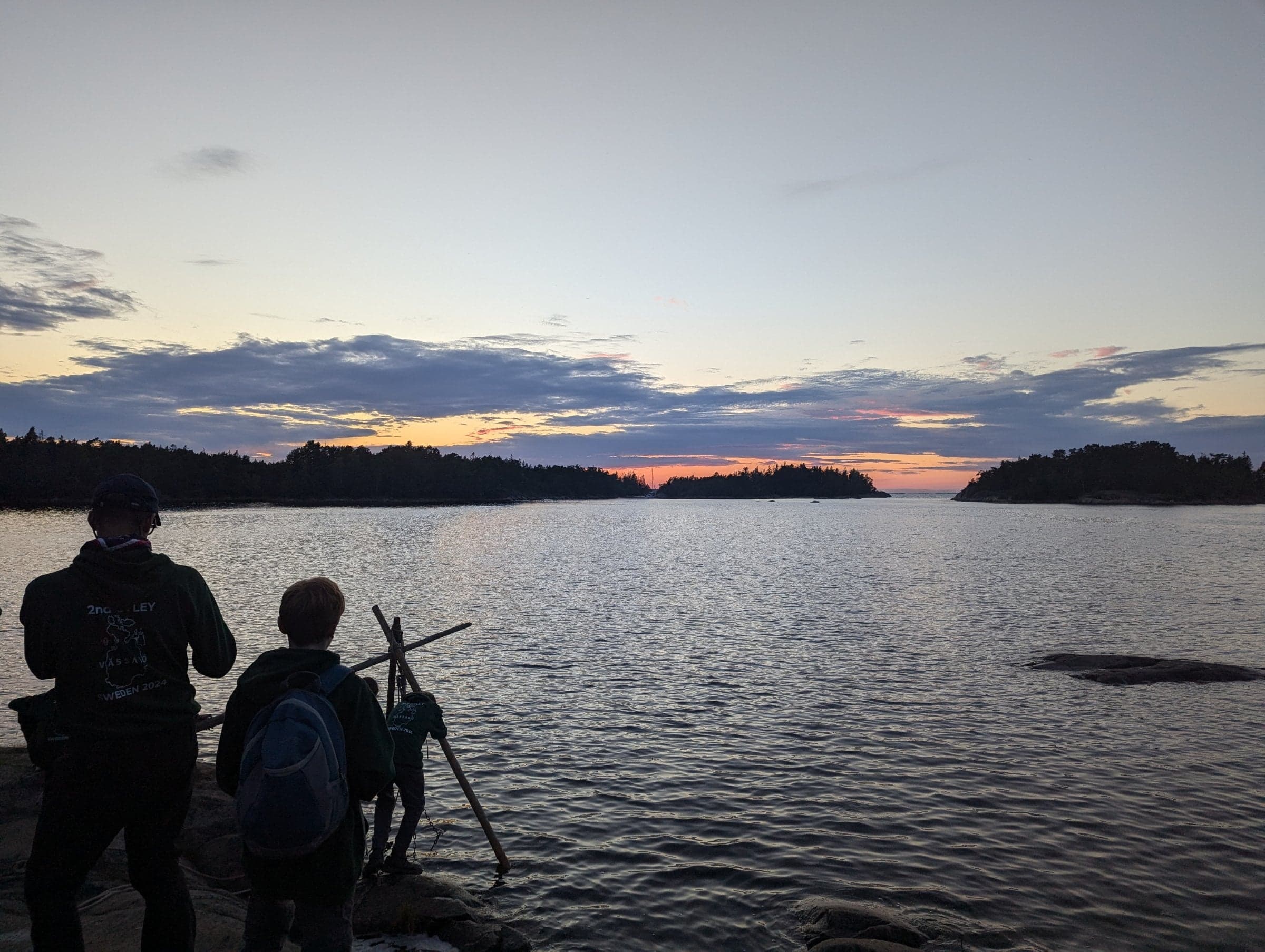
In 2024, led by the Monday Scout Troop, the group laid on an expedition to Vassaro, an Island in Sweden. The island is owned by Stockholm Scouts and run as a Scout Camp. The expedition lasted 9 days and included a trip to Stockholm for 18 Scouts & Explorers and 6 leaders. It was a great adventure, camping on the island, building our dining and cooking shelters, cooking outside everyday, sailing, canoeing, paddleboarding, orienteering, exploring the island on trails and rope bridges, meeting Scouts from all over Europe, experiencing Scouting from their perspectives, trading neckers and badges and make lasting friendships. The expedition culminated in a stay in a scout hut in Stockholm and a cultural visit to the city. A fantastic experience!
In memoriam
Five members of 2nd Otley are known to have lost their lives in the First World War. They are named on the War Memorial in the Parish Church and on a hand-made Roll of Honour in Otley Museum:
- Raymond Clapham — Royal Scots; killed at Polygon Wood, 26th September 1917, aged 19.
- Charles Smith — Royal Field Artillery; killed 1st December 1917, aged 19.
- Benjamin Firth Hardwick — Sherwood Foresters; killed 15th March 1918, aged 19.
- Wilfred England — Border Regiment; died 10th April 1918, aged 19.
- Leonard Parker — Duke of Wellington's Regiment; died 17th April 1918, aged 21.
In the Second World War, William Arthur Bunting, Assistant Scoutmaster and a King's Scout, died on active service in an air crash in Canada in January 1942. In 1937 he had represented the district at the Coronation of King George VI, where he shook hands with Lord Baden-Powell.
With thanks
With grateful thanks to the staff of Otley Museum, whose research uncovered much of this story, and to the Imperial War Museum, London.